Justice For Kirin
Kirin Agustín Rajagopalan
Remembering Kirin. Seeking Truth. Raising Awareness.
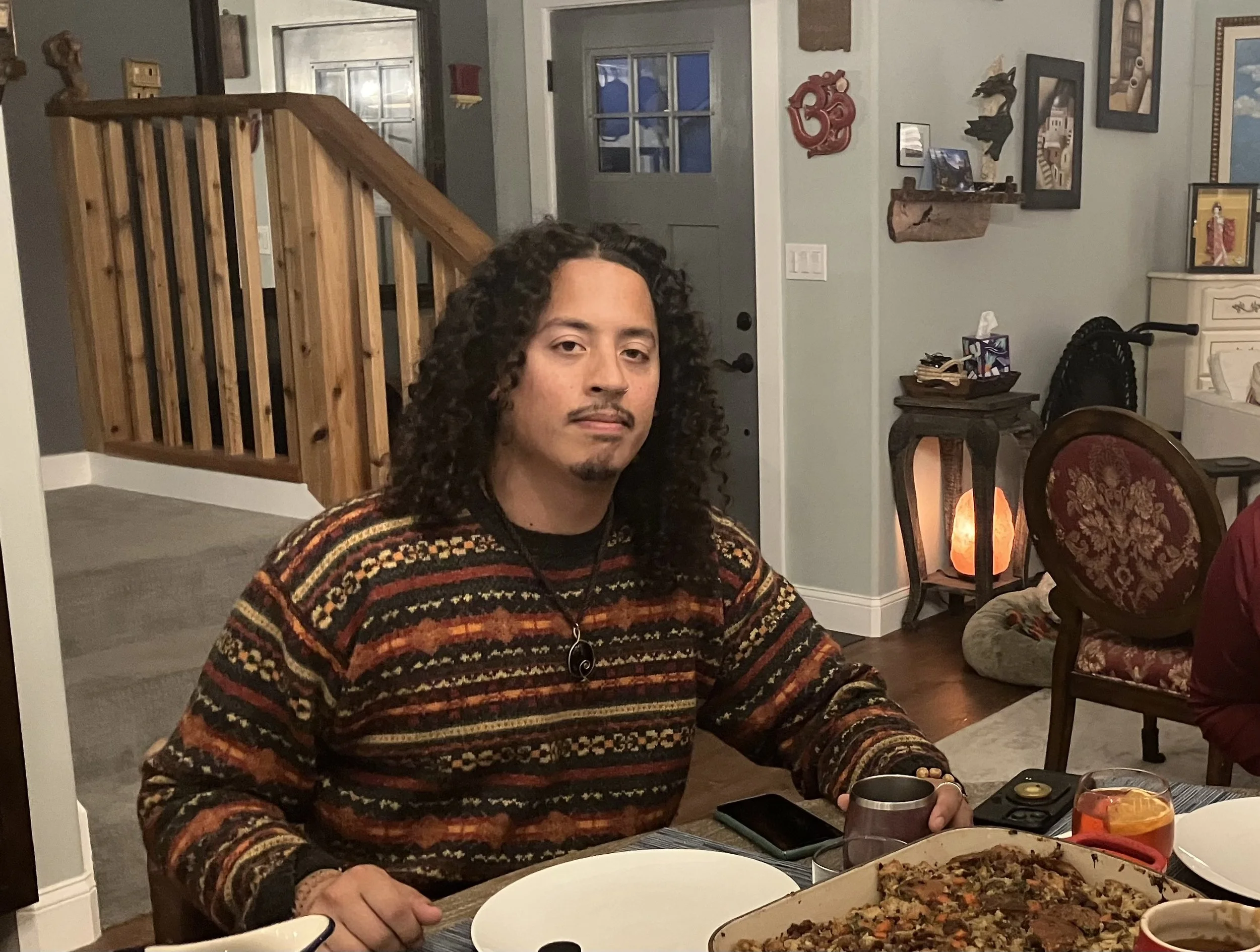
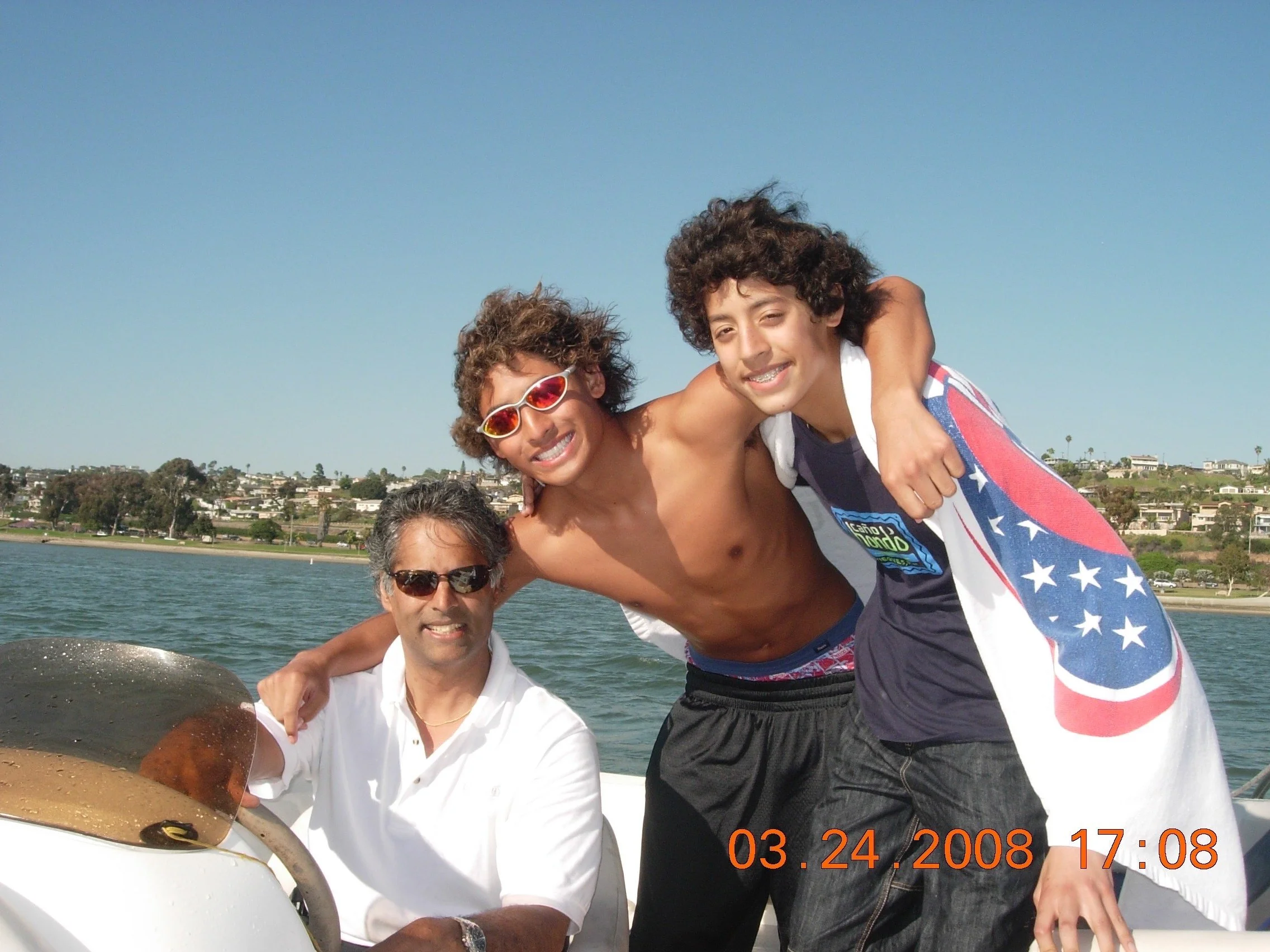
Kirin was a beloved son, brother, educator, scholar, musician, chef, activist, mentor, and friend. He passed away at the age of 33, just as he was preparing to begin an extraordinary new chapter in his life.
We created this website to honor Kirin as the whole and remarkable person he was, to share our concerns about the circumstances surrounding his death, and to encourage greater awareness of emotional abuse and coercive control.

Kirin was a kind, gifted, deeply thoughtful person who lived with purpose and an extraordinary commitment to the people, communities, and causes he loved.
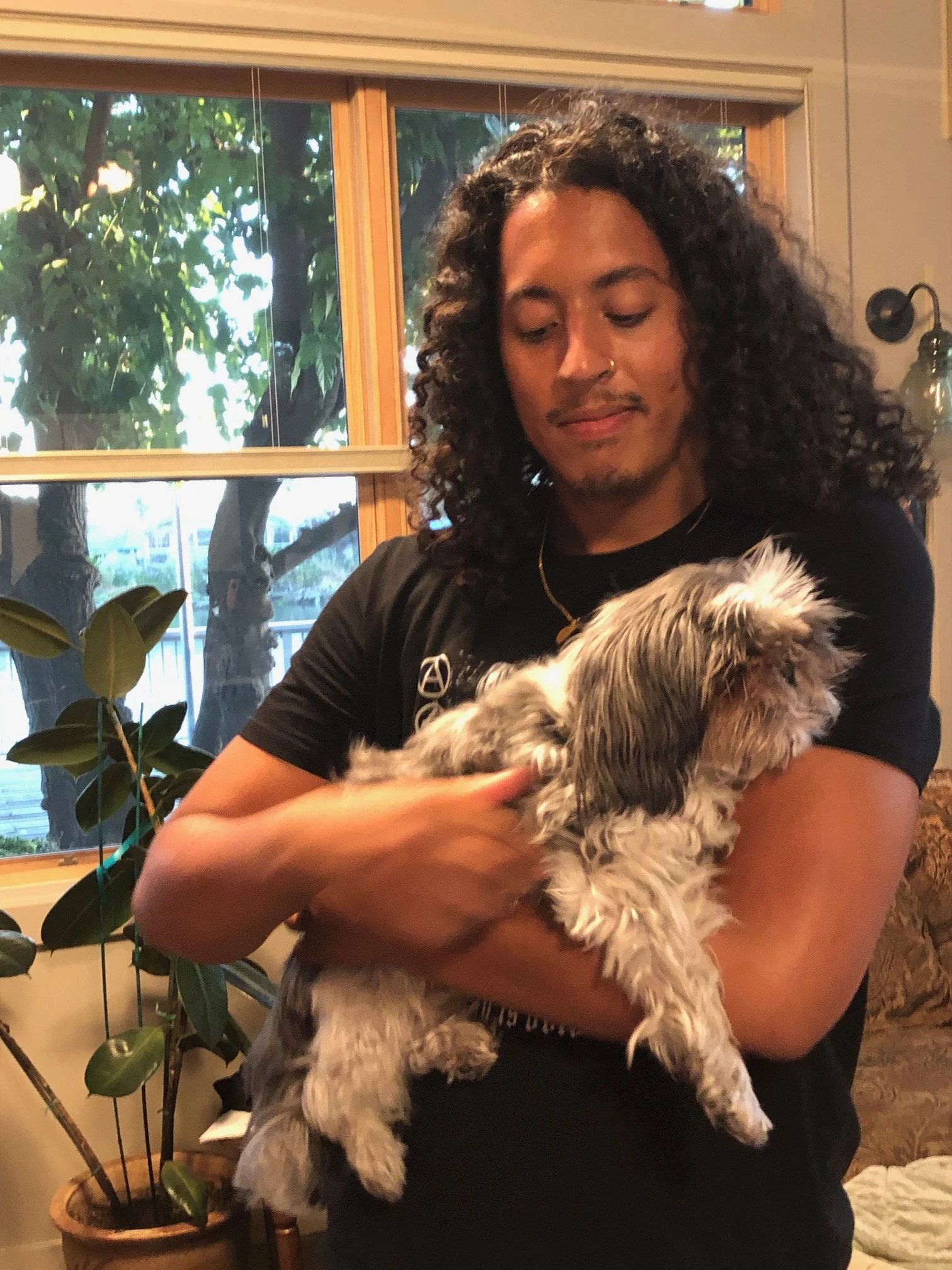
He was an amazing and fearless educator, scholar, musician, chef, social activist, gatherer, nurturer, animal lover, and intentional and respectful traveler. He knew what brought him joy and meaning, and he pursued those things with remarkable focus. He did not waste time.
Kirin loved his family and friends deeply. He cared about his community and the many social-justice causes he championed. He wrote and spoke on those causes with precision, eloquence, and heart.
Who Was Kirin?
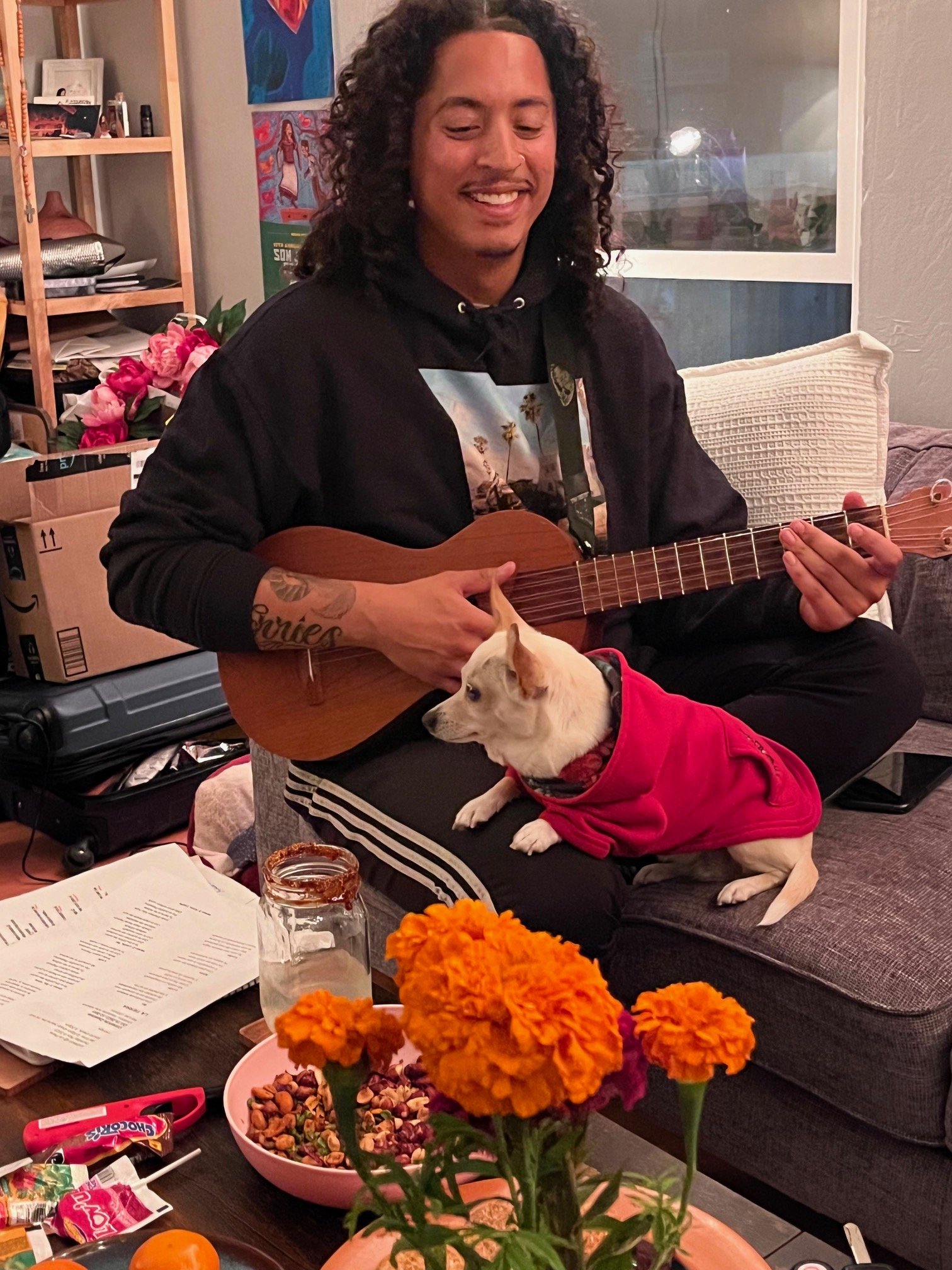

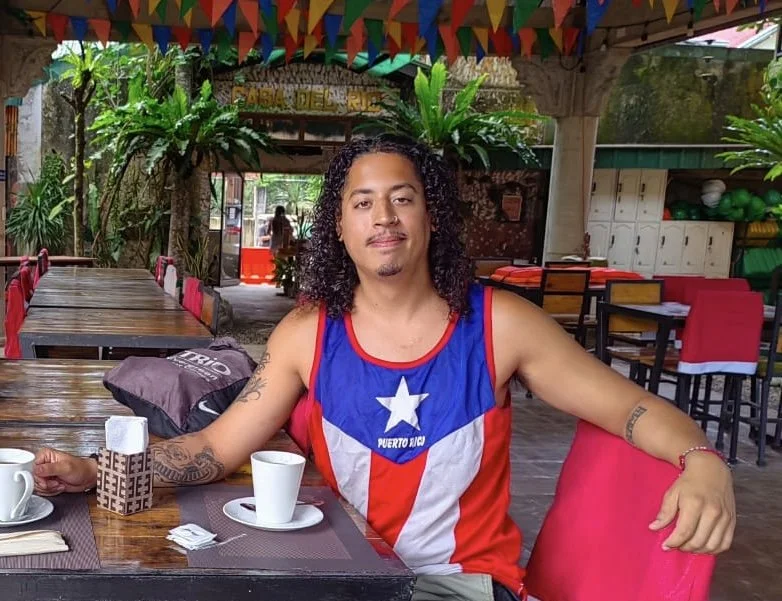

He was an accomplished self-taught musician, with a great interest in smaller stringed instruments such as the jarana (from Mexico), the ukulele, and the cuatro (from Puerto Rico). He was also a talented chef, with preparing nurturing food being one of Kirin’s love languages - a way of gathering people, caring for them, and sharing cultures and traditions. From the time he was a teenager, if he read about a culture that interested him, he would enthusiastically attempt to cook their food (with great results). That was the joy and the understanding that he brought to his world view and experience.
Kirin believed that to know who we are, we must understand where we come from. He honored his benevolent ancestors, traveled with intention and respect, and encouraged his students to first develop a knowledge of their own ancestry, and then to appreciate others.
Kirin brought an extraordinary range of interests, relationships, and accomplishments into his brief 33 years. He was always learning, always expanding his knowledge, always wanting to share this with others.
Kirin devoted his life to education, Ethnic Studies, community empowerment, and social justice.
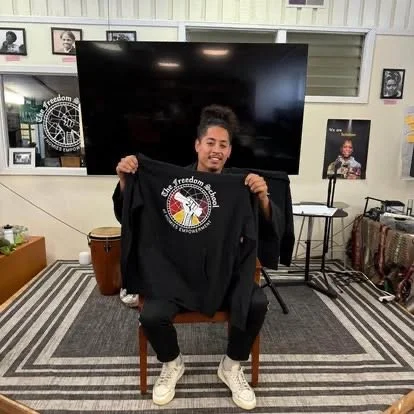
He served as a founding teacher at The FREEdom School, where he taught Ethnic Studies and English and remained with the same students for three years. He was a true warrior scholar—an educator who united intellectual rigor with love, cultural understanding, and a profound commitment to his students. He also taught Ethnic Studies at the university level.
In June 2026, Kirin completed his PhD in Cultural Studies at the University of California, Davis. He was preparing to begin his dream job as a tenure-track professor of Ethnic Studies at Los Medanos Community College. He had worked so hard to reach this moment, and there was so much more ahead of him.
Kirin’s Life and Legacy

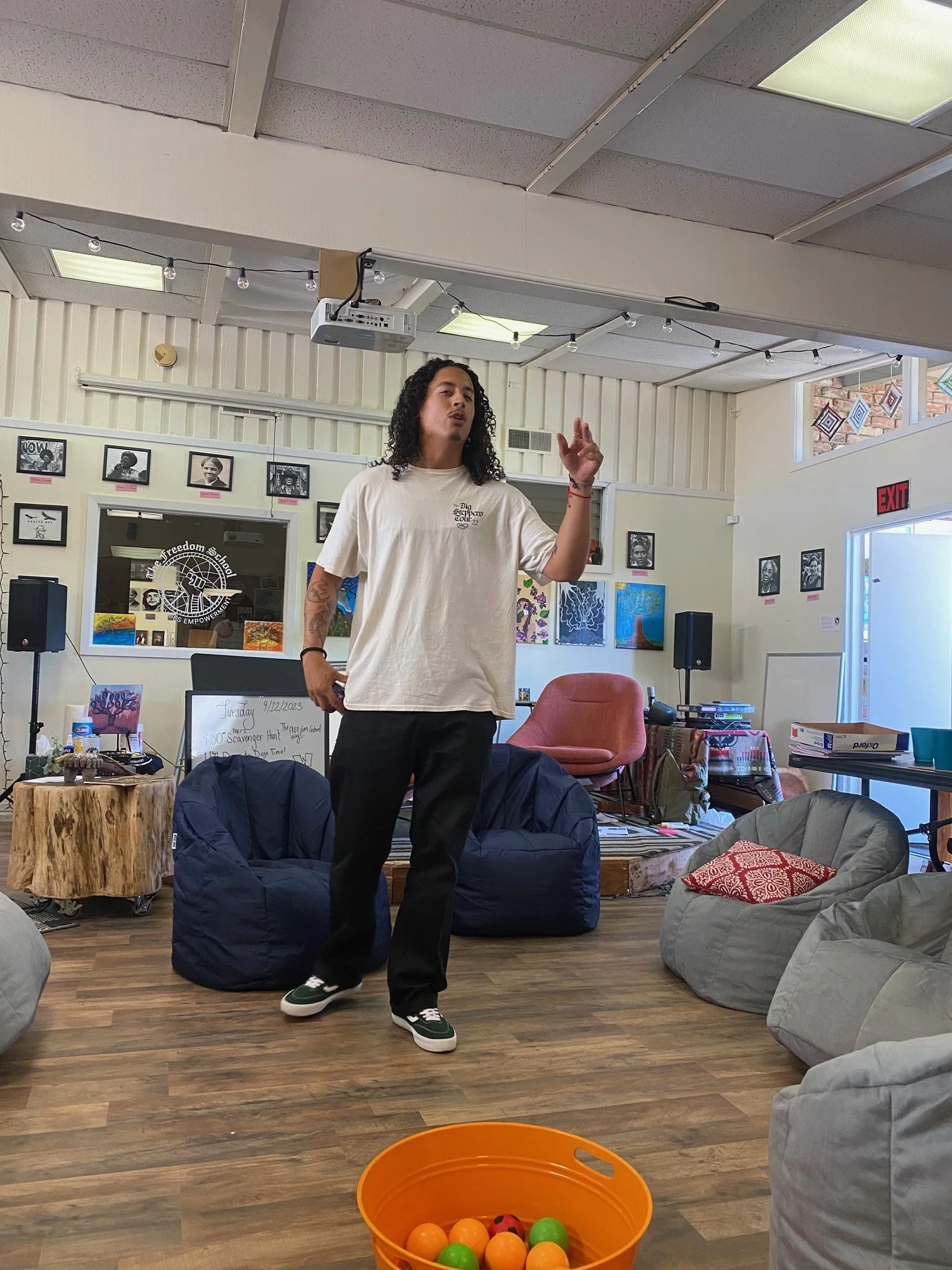
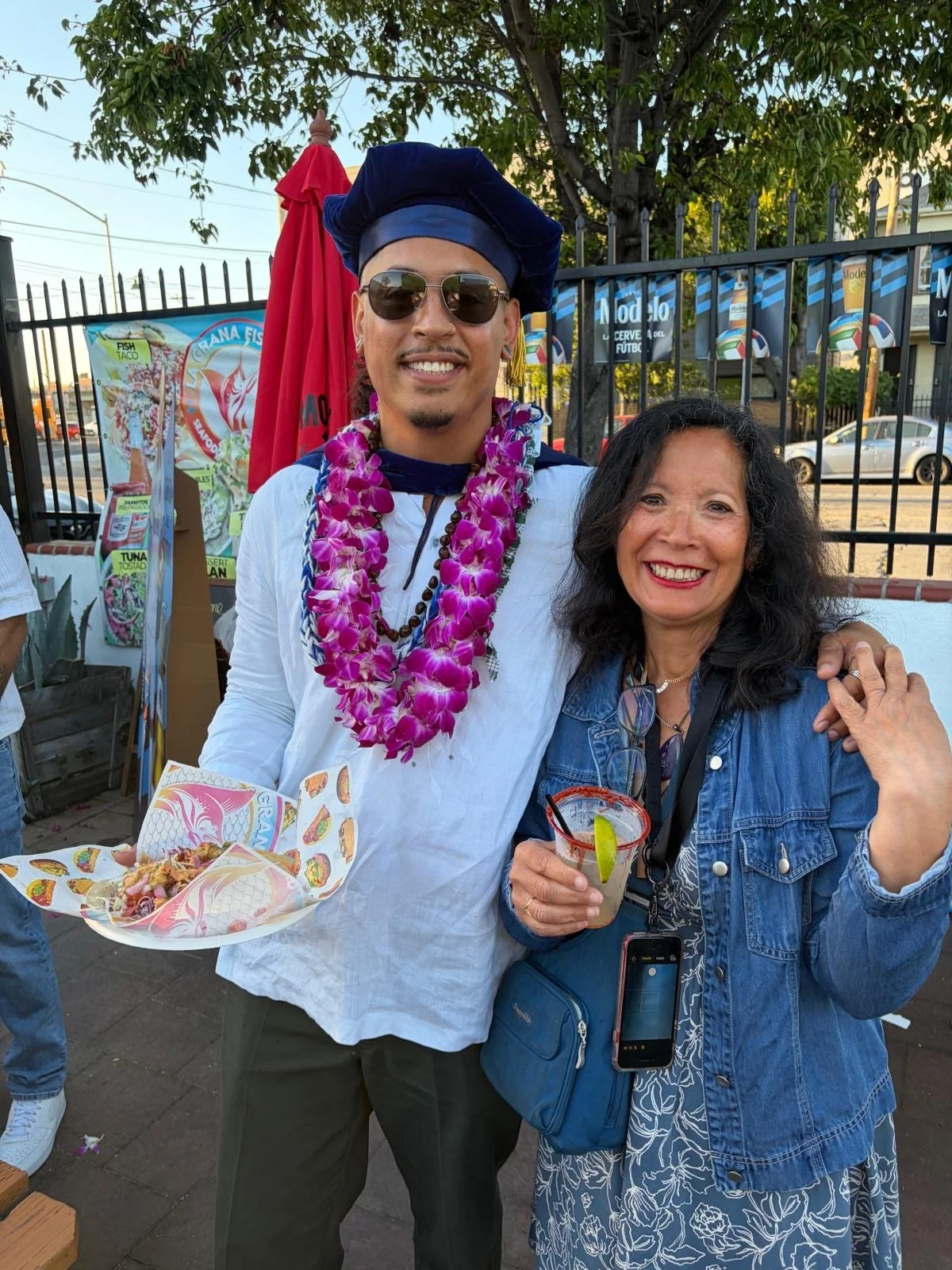
Kirin’s legacy extends beyond his academic accomplishments. It lives in the students he taught, the people he nurtured, the music he played, the meals he prepared, the communities he supported, and the family and friends he loved.
The Homies Empowerment FREEdom School library is being named in Kirin’s honor. The library represents education, knowledge of self, community empowerment, and FREEdom—all qualities that Dr. Kirin Rajagopalan manifested throughout his life.
Kirin’s passing was tragic and shocking, but his friends and family believe the circumstances are not as simple as they may appear. We recognize that we may never know exactly what happened or why. Nevertheless, we feel a responsibility to ask difficult questions and seek the clearest possible understanding of the final months of his life.
Kirin had been in a relationship for approximately 9 years. Our understanding is that his former partner ended the relationship in early March 2026. They continued living in the same house, but Kirin was relocated into a downstairs garage bedroom shortly after the breakup.
We believe Kirin was deeply hurt and emotionally vulnerable after the relationship ended. For more than four months, he continued trying to repair it—working on himself, attempting to rebuild trust, and trying to prove that he was worthy of love.
Kirin’s Story
From our perspective, Kirin received enough encouragement to keep believing that reconciliation might be possible. We sensed that something was seriously wrong with the relationship dynamic. We now have difficult questions about whether Kirin’s vulnerability and desire to preserve the relationship may have left him susceptible to confusion, pressure, or manipulation.
One experience remains especially difficult for us to understand. Shortly before his death, Kirin’s former partner accompanied him on a week-long family trip to Kauai, where she appeared to take on the role of a loving partner. One day after they returned, she left for a three-day camping trip with another partner. She stated that it was upon her return that she discovered he had passed.
Another odd detail we discovered after his passing, was that Kirin had recently agreed to an open relationship. However, we question whether this arrangement was something he genuinely wanted or something he believed he had to accept to avoid losing the relationship altogether. From our perspective, the situation appears to have been deeply confusing and painful for him.

Only days after Kirin passed, his former partner expressed that he had shared his deepest and darkest pains with her and that only she understood them. This statement left us with difficult questions about what was known about Kirin’s emotional condition and how his vulnerability was handled.
We also had to negotiate aspects of laying Kirin’s body to rest. During that process, we learned that a legal domestic partnership had been registered in January—something our family had not previously known. It appears that most of his good friends were unaware of this as well. That legal status affected who had authority over decisions and property following Kirin’s death. Thereafter we encountered painful and often business-like negotiations involving Kirin’s home, possessions, and final arrangements. We were denied access to the home and to items of sentimental value, including belongings we had given Kirin with love. We later learned that some of his possessions may have been distributed among friends.
In the days that followed there was a public fundraising and social-media accounts that, in our view, present an incomplete or misleading picture of Kirin’s relationship at the time of his death. We believe Kirin deserves to have his life, experiences, image, and dignity represented truthfully.
These are our experiences, concerns, and perceptions based on the information currently available to us. Some important facts still remain unknown. We will continue seeking answers with care, persistence, and love for Kirin.


Why We Are Sharing Kirin’s Story
We wish Kirin had known, at the deepest level, that he deserved a love that was nurturing, peaceful, consistent, and empowering. We wish he had experienced a love that sustained him and helped him become even more fully who he was.
We are sharing Kirin’s story not only because we want answers, but because emotional abuse and coercive control can be difficult to recognize, particularly when they occur gradually within a long relationship.
Our purpose is:
To honor Kirin’s life and protect his dignity
To seek truth, clarity, and accountability
To raise awareness of unhealthy and potentially abusive relationship dynamics
To encourage families and friends to take warning signs seriously
To help people recognize that they deserve relationships grounded in respect, safety, honesty, and care
To prevent another person or family from experiencing a similar loss
We may never have every answer. But we will continue to speak Kirin’s name, preserve his legacy, ask difficult questions, and seek whatever measure of truth and justice may be possible for Kirin.

Understanding Emotional Abuse and Coercive Control
Understanding Emotional Abuse
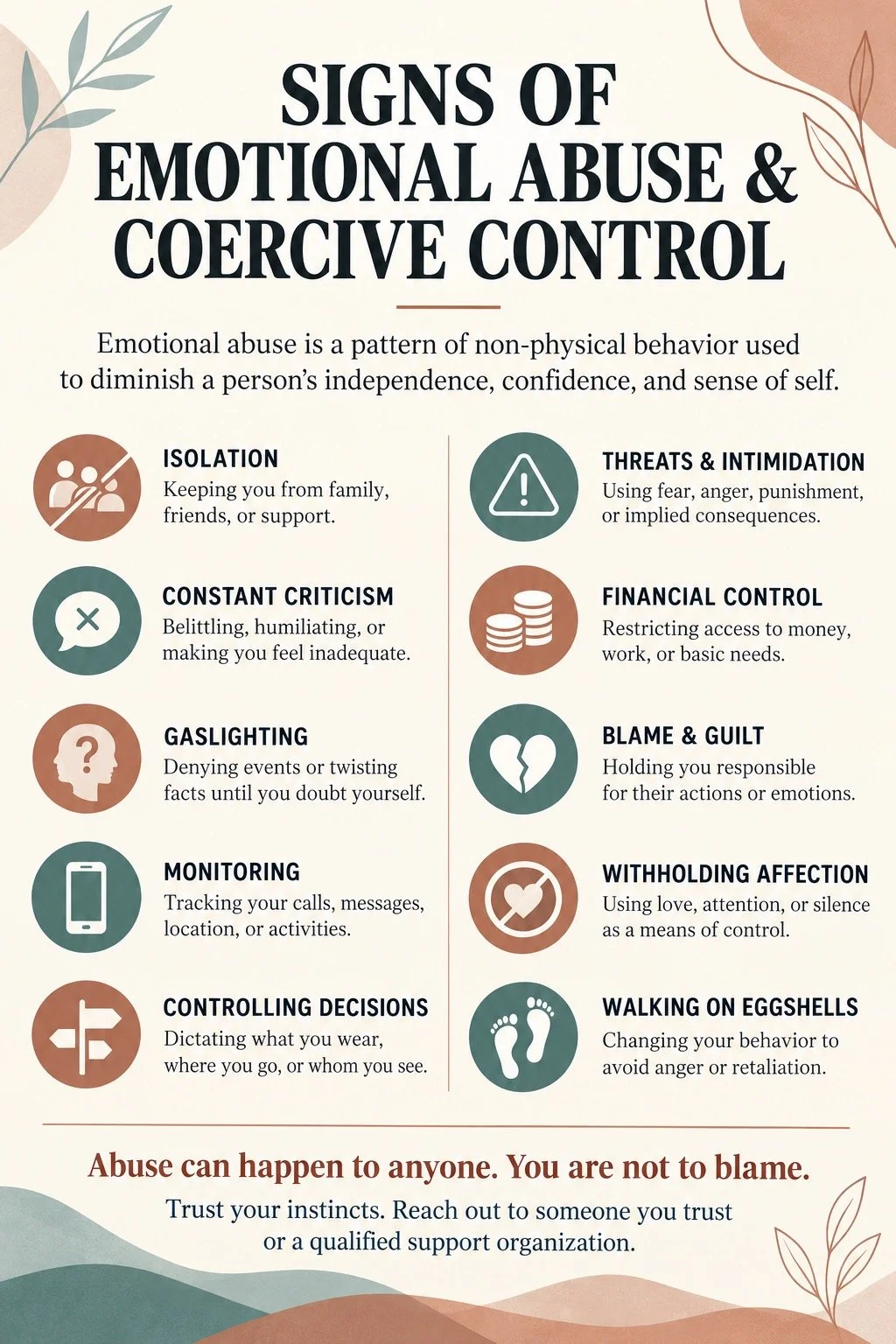
Emotional abuse and coercive control are forms of nonphysical abuse that can undermine a person’s independence, autonomy, emotional well-being, and sense of self-worth. These behaviors may be subtle at first and become more damaging as they develop into a repeated pattern.
What Is Emotional Abuse?
Emotional abuse involves nonphysical behaviors used to demean, frighten, punish, manipulate, or control another person. Over time, it can cause a person to question their perceptions, lose confidence, feel undeserving of love, or become increasingly dependent on the relationship.
Common behaviors may include:
Constant criticism: Repeated insults, name-calling, humiliation, or belittling remarks.
Gaslighting: Distorting or denying reality in ways that cause someone to doubt their memory, judgment, or perceptions.
Withholding: Using silence, stonewalling, rejection, or the withdrawal of affection to punish or pressure someone.
Blame-shifting: Refusing responsibility and claiming that the other person caused or deserved the harmful treatment.
Intermittent reinforcement: Alternating affection, reassurance, or promises with rejection or withdrawal, creating confusion and keeping someone invested in the relationship.
Threats of abandonment: Using the possibility of separation, replacement, or rejection to influence someone’s choices or behavior.
What Is Coercive Control?
Coercive control is an ongoing pattern of abusive behavior used to restrict another person’s freedom and independence and establish power over their life. It may create fear, confusion, isolation, and dependency, even when physical violence is absent.
Common tactics may include:
Isolation: Separating someone from family, friends, community, or other sources of support.
Micromanagement: Controlling everyday decisions, including where someone goes, whom they see, what they wear, what they eat, or how they spend their time.
Monitoring: Tracking someone’s location, reading messages, controlling social media, or using technology to watch their activities.
Financial control: Restricting access to money, employment, bank accounts, transportation, or other resources.
Intimidation and threats: Using fear, humiliation, threats of harm, threats involving children or pets, or threats of self-harm to force compliance.
Pressure and imposed conditions: Making affection, security, housing, reconciliation, or acceptance conditional upon obedience or unwanted compromises.
These behaviors must be understood within the broader context of the relationship. A single disagreement, mistake, or unhealthy interaction does not by itself establish a pattern of abuse. The repetition of behaviors, imbalance of power, restriction of freedom, and cumulative effect on the person are important considerations.
Emotional abuse and coercive control can affect people of every gender, age, culture, sexual orientation, education level, and economic background. They can occur in monogamous, nonmonogamous, married, unmarried, current, or former relationships.
If someone becomes increasingly isolated, fearful, confused, diminished, or desperate to preserve a relationship at any cost, those changes should be taken seriously.
Learn More: Videos on Emotional Abuse and Coercive Control
Emotional abuse and coercive control can be difficult to recognize while they are happening. The following videos offer additional perspectives from advocates, educators, and experts. They explore how controlling patterns develop, how they affect a person’s confidence and independence, and why leaving an emotionally abusive relationship can be so difficult.
Some of this material may be emotionally challenging. Please watch at your own pace and seek support if anything you hear feels familiar or distressing.
Support and Resources
Emotional abuse and coercive control can be difficult to recognize, especially when there is no physical violence. Behaviors such as intimidation, humiliation, isolation, constant monitoring, manipulation, threats, and control are forms of abuse. Help is available for anyone who is experiencing these behaviors—or is concerned about someone they love.
National Domestic Violence Hotline
The National Domestic Violence Hotline offers confidential support, safety planning, and referrals to local services. Advocates are available 24 hours a day.
Call: 1-800-799-SAFE (7233)
Text: START to 88788
Visit: thehotline.org
One Love Foundation
The One Love Foundation helps young people recognize the signs of healthy, unhealthy, and abusive relationships. Its educational materials can also help families, friends, teachers, and community members begin important conversations about relationship abuse.
Visit: joinonelove.org
love is respect
love is respect provides confidential support specifically for teenagers and young adults who have questions or concerns about their relationships. Its resources address emotional abuse, manipulation, intimidation, isolation, digital monitoring, and other controlling behaviors.
Call: 1-866-331-9474
Text: LOVEIS to 22522
Visit: loveisrespect.org
Help in Oakland and Alameda County
The Alameda County Family Justice Center connects survivors with crisis support, advocacy, legal assistance, counseling, shelter, and other local services.
24-hour crisis line: 1-800-947-8301
Visit: acfjc.org
You Are Not Alone
Abuse does not have to be physical to be real or harmful. If a relationship leaves you feeling afraid, controlled, isolated, confused, or diminished, consider speaking confidentially with a trained advocate.
If you or someone else is in immediate danger, call 911. If you believe your phone or computer may be monitored, use a safer device when seeking assistance.
If you knew Kirin, have information you believe may be relevant, or simply wish to reach out, we welcome you to use the form below.
Contact Kirin’s Family
How we handle your information
Information submitted through this form will be reviewed by Kirin’s family and those assisting them in their search for answers. If you request confidentiality, we will make reasonable efforts to keep your identity and submission private and will not publish your submission or publicly identify you without your permission.